Dye-sublimation: colour inside the material
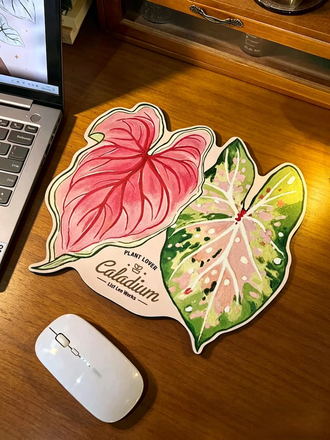
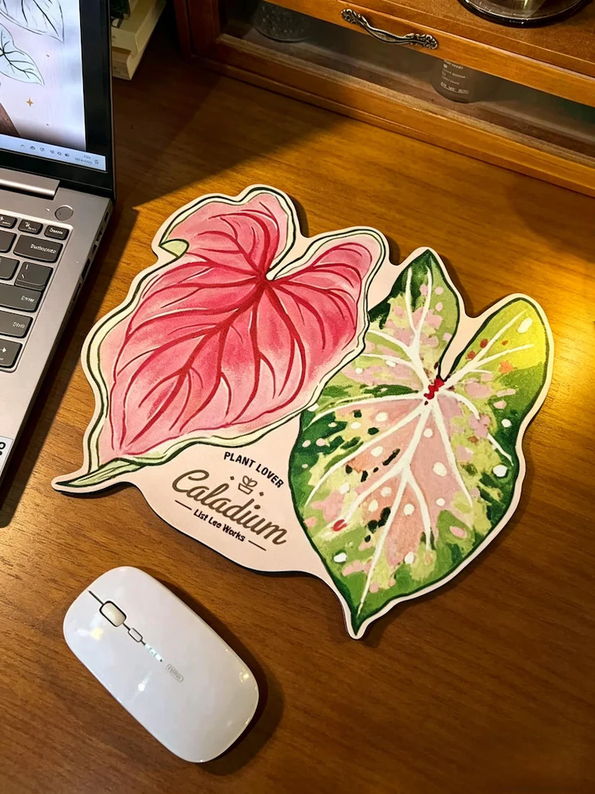
Sublimation ink turns to gas at about 200 °C and bonds into polyester fibres. The colour ends up inside the material, not on it. There is no film to peel, no ink layer to crack at a fold, and no raised texture where the print sits.
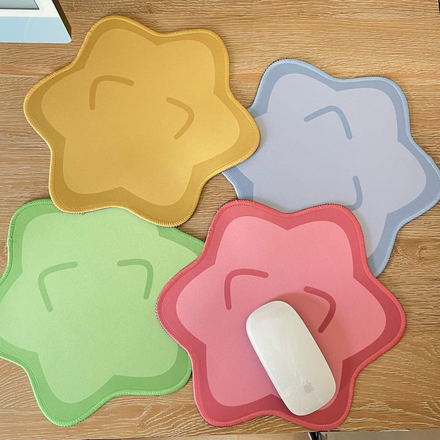
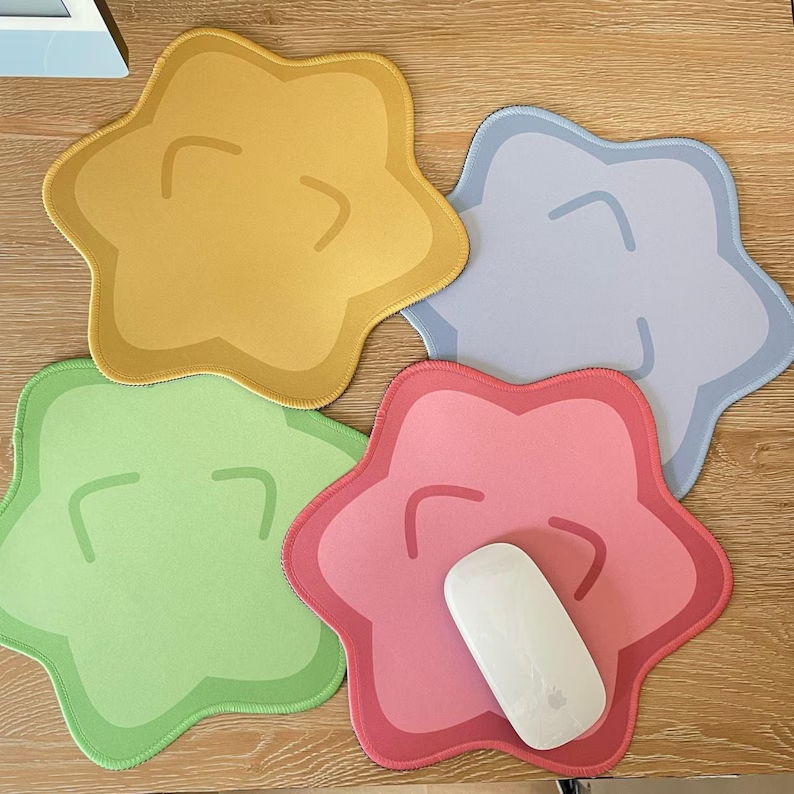
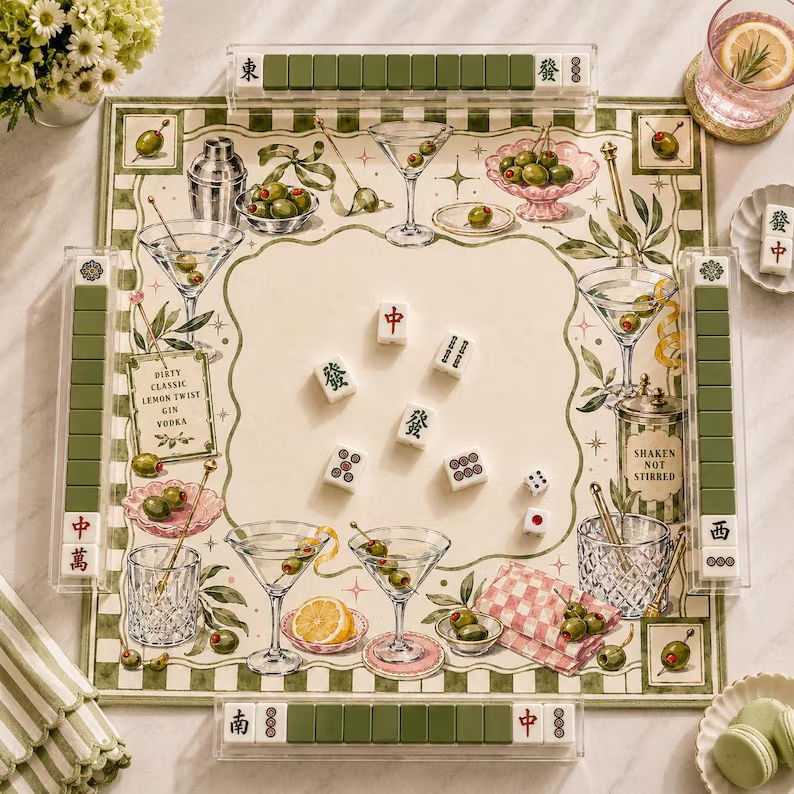
The constraint is the substrate: it must be polyester, or coated to accept polyester dye. That is why printed mats almost always have a polyester face bonded to a rubber base — the rubber gives the grip, the polyester takes the print.
Result: photographic colour, soft hand, edge-to-edge coverage, no setup cost, so one piece is economic. Weakness: it cannot print white, and it fades under sustained UV.
Screen print: opaque, thick, and stubborn
Screen print pushes a thick ink layer through a mesh and cures it on the surface. It is the only method that puts an opaque white on a dark or rough substrate, which is why it is still the default for coir doormats and moulded rubber.
Each colour needs its own screen, so setup is real money — but per unit it is the cheapest method at volume with one to three colours. It also sits on top of the fibre, so on a scraping coir mat it survives abrasion that would destroy a sublimated print.
Limits: no photographs, no gradients, minimum stroke widths, and a setup fee that makes small runs uneconomic.
UV print: the only option for rigid board
Diatomite, polycarbonate and hardboard cannot take sublimation — there is no polyester to dye. UV-cured ink is jetted onto the surface and cured instantly under a lamp, giving a matte, sealed print that bonds to the board.
It holds fine detail well, but it is a surface print: abrasion dulls it, and a scouring pad will take it off. For a kitchen or bath mat that is cleaned with a soft sponge, that is fine. For anything scrubbed, it is not.
The comparison that matters
| Dye-sublimation | Screen print | UV print | |
|---|---|---|---|
| Works on | Polyester fabric | Coir, rubber, cotton | Rigid board, hardboard |
| Colours | Full colour, no white | 1–6 spot colours, opaque white | Full colour + white |
| Setup cost | None | One screen per colour | None |
| Economic from | 1 piece | ~300 pieces | 1 piece |
| Wears by | Fading (UV) | Cracking if under-cured | Abrasion |
| Peels? | No | No | No, but scratches |
| Best for | Mats, playmats, desk mats | Coir, logo rubber mats | Diatomite, coasters |
What to ask a supplier
Ask which method, on which substrate, and then ask to see a bend test: fold the printed area over your thumb. A sublimated print will not change. A surface print will craze or lift at the fold. A UV print on board will simply crack, because board does not bend — which is the correct answer for board.
Then ask what the print is expected to do in service: five years indoors, two summers outdoors, or one season on a bar top. The honest answer differs by method, and a supplier who says 'all of them, forever' has not tested.
Plates
Seen on the press
03 plates