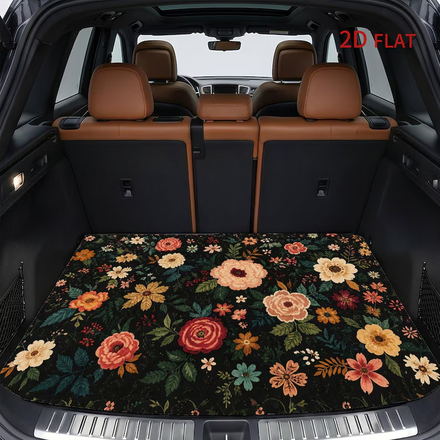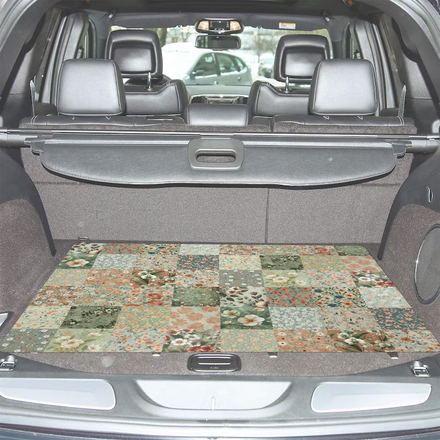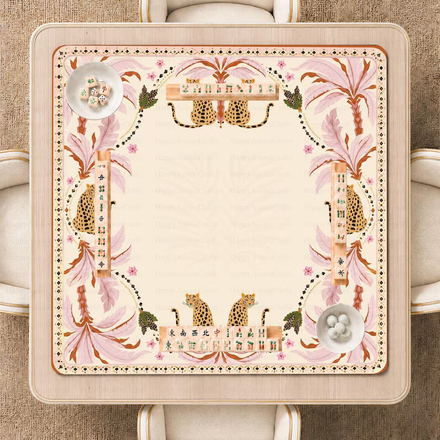
How a mat is classified
Customs asks what the goods are, not what they do. A printed polyester mat with a rubber backing is a "textile with rubber backing"; a moulded rubber doormat is an article of rubber; a diatomite board is an article of stone. Essential character decides the chapter.
In practice this product family most often falls under Chapter 63 (made-up textile articles), Chapter 57 (carpets and other textile floor coverings), Chapter 40 (articles of rubber) and Chapter 68 (articles of stone or other mineral substances — where diatomite boards usually sit).
The exact subheading depends on fibre content, coating, grammage per square metre and whether the edge is finished — so the spec sheet and the HS code should be settled by the same person.
The cost of a wrong code
A lower-duty code is not a saving — it is a liability. If customs reclassifies on entry, you pay the difference plus interest while the shipment is held for inspection. Repeated errors put the importer on a watch list, and every later shipment slows down.
A higher-duty code simply throws money away on every piece. Both mistakes come from guessing, and both can be avoided with one email to your broker.
What to send your customs broker
| Information | Why it decides the code |
|---|---|
| Fibre content and percentages | Chapter 63 subheadings split by fibre |
| Coating or backing material | A rubber backing changes the heading |
| Grammage per m² | Threshold bands within a heading |
| Whether the edge is finished | Separates made-up articles from material |
| Primary function | Floor covering, table linen or other |
| Country of origin | Sets the duty rate and any extra tariffs |
Duty rates move — treat every number as a question
Between 2025 and 2026, duty on Chinese-origin goods entering the US changed repeatedly, with additional tariffs layered on top of base rates in some chapters. The rate on an old quotation is not the rate.
So the honest advice is: ask for the current rate in writing, for your code, origin and shipping date. A factory can tell you which code it declares and what it writes on the commercial invoice; only your broker can tell you what you owe on the day.
Gallery
On the machine floor
Plate 03