1PC MOQ — NO TOOLING FEE ANY SHAPE · ANY ARTWORK DROPSHIP WORLDWIDE JIT FULL-CONSIGNMENT FBA · TEMU · TIKTOK SHOP WAREHOUSE DELIVERY 12 PRODUCT LINES · ONE FACTORY 1PC MOQ — NO TOOLING FEE ANY SHAPE · ANY ARTWORK DROPSHIP WORLDWIDE JIT FULL-CONSIGNMENT FBA · TEMU · TIKTOK SHOP WAREHOUSE DELIVERY 12 PRODUCT LINES · ONE FACTORY
Home/Journal/Sourcing/Artwork ownership

Journal / Sourcing

Who owns your artwork once it leaves your outbox?

Sending a design to a factory is the moment a brand is most exposed. The file can be reprinted, resold as a stock design, or shown to the next buyer who asks for 'something like this'. Three clauses and one habit prevent all of it.

Filed under SourcingPublished August 2026Reading 5 min
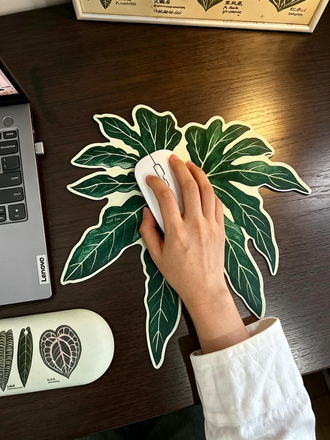
Plate 01Hand resting on a die-cut leaf mousepad next to a keyboard
Customer artwork, one order only

Three things, owned separately

The artwork. Yours, always. A factory needs a licence to reproduce it for your order, and nothing more — not for marketing, not for a design library, not for a catalogue.

The die line. This is subtler. If the factory drew the outline from your sketch, the drawing is arguably theirs and you may be charged for it again on a reorder, or find it used for another customer. Ask for the die line in writing as part of the order.

The photographs. Production photos of your product are a separate asset. If you want to use their studio shots on your listing, ask — and if they want to use yours, that is a decision you make deliberately.

The three clauses

  1. Licence, not assignment. 'Supplier may reproduce the artwork solely to fulfil PO ###. No other use, in any medium, at any time.'
  2. No library, no portfolio. Explicitly exclude your designs from any showroom, sample set, catalogue or social post without written approval.
  3. Die line and file delivery. The cut path and print file are delivered to the buyer on request, in a usable format, at no extra charge.
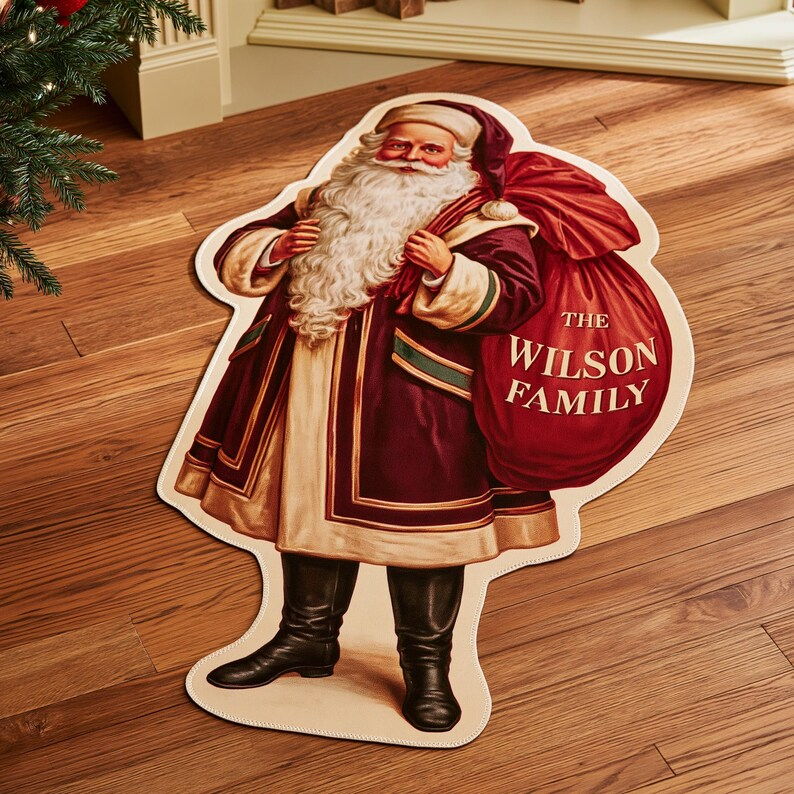
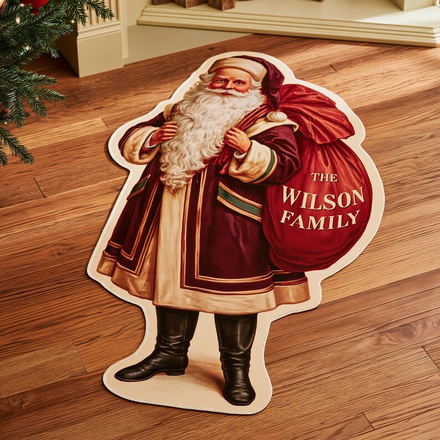
Fig. 02Santa-shaped rug printed with a family surname, standing in a hallway
Surname file, never resold

Exclusivity, honestly priced

A factory that prints for several brands in the same category will eventually be asked for something similar. True design exclusivity is a commercial commitment — it usually needs a volume commitment or a fee, and it is worth asking for by name rather than assuming.

What you can always insist on is order exclusivity: your file is used for your order and is not retained in any reusable form beyond the archive needed to reprint it for you.

The habit that solves most of it

Send a low-resolution proof first, and the print file last. A 1200 px JPEG with a visible watermark is enough to quote and to draw a die line. The 300 dpi file goes after the deposit, to a named person.

It is not paranoia; it is the same discipline as not emailing a passport scan to a stranger. Every supplier who is serious will accept it without argument — and one who objects has told you something useful.
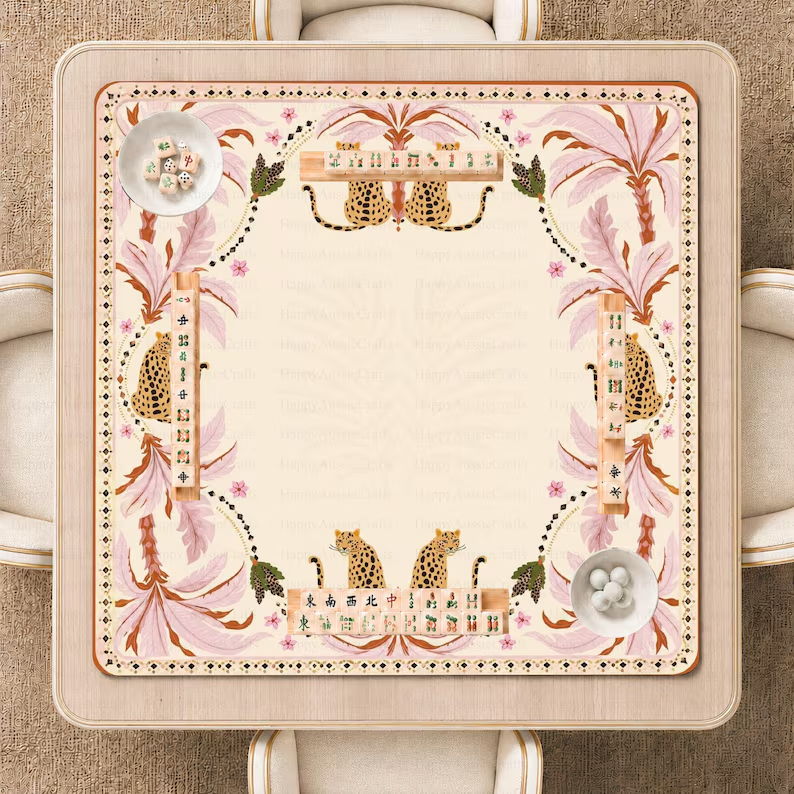
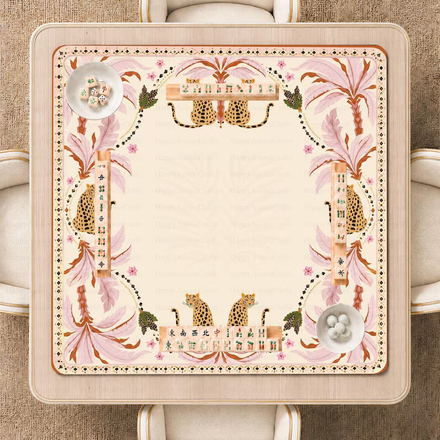
Fig. 04Cream mahjong mat printed with a cameo border and a blank centre panel
Archived, not published

Plates

Seen on the press

03 plates
Hand resting on a die-cut leaf mousepad next to a keyboard
Artwork in hand01
Santa-shaped rug printed with a family surname, standing in a hallway
Personal file02
Cream mahjong mat printed with a cameo border and a blank centre panel
Library-excluded03

Questions

Should I sign an NDA with a factory?
Yes, for a brand-led design. A short mutual NDA is normal and takes a day. What matters more is the sentence in the PO about scope of use — an NDA without a licence clause still leaves the file in a drawer.
Who owns the die line?
It should be you, and it should say so. If the factory draws the outline, ask for the path file as part of the order. Otherwise a reorder may carry a redraw charge, and the outline may be reused.
Can the factory show my product in its portfolio?
Only if you agree. Say no explicitly — a blank space in a contract is not a no. If you want the exposure, license specific photographs for specific channels with a date.
What if I find my design on another site?
Start with the file trail: who received the print file, on what date, under what terms. A written scope-of-use clause makes the conversation short. Without one, it becomes a dispute about provenance.
Do you keep my artwork after the order?
We keep the print file and die line in an archive so a reorder is a reprint rather than a redesign. It is never used for another customer, never shown, and never added to the design library that appears on this site.
What if the factory subcontracts the printing?
Assume it might, and ask. Subcontracting is normal in peak season; what matters is that the confidentiality clause binds subcontractors and that you know which plant holds your file. Put the answer in the PO.

Read next

Send a pattern. Get a mockup tomorrow.

Artwork and a table measurement is all we need. No deposit, no tooling fee, no minimum beyond one piece.