1PC MOQ — NO TOOLING FEE ANY SHAPE · ANY ARTWORK DROPSHIP WORLDWIDE JIT FULL-CONSIGNMENT FBA · TEMU · TIKTOK SHOP WAREHOUSE DELIVERY 12 PRODUCT LINES · ONE FACTORY 1PC MOQ — NO TOOLING FEE ANY SHAPE · ANY ARTWORK DROPSHIP WORLDWIDE JIT FULL-CONSIGNMENT FBA · TEMU · TIKTOK SHOP WAREHOUSE DELIVERY 12 PRODUCT LINES · ONE FACTORY
Home/Journal/Materials/Rubber vs PVC

Journal / Materials & construction

Natural rubber or PVC: the difference you feel under the mat.

Both are called 'rubber' in listings. One grips a glass table dry and wet, does not mark lacquer, and survives a winter in a cold room. The other is cheaper, and it is the reason some mats skate across a desk or leave a cloudy ring on varnish.

Filed under MaterialsPublished October 2026Reading 5 min
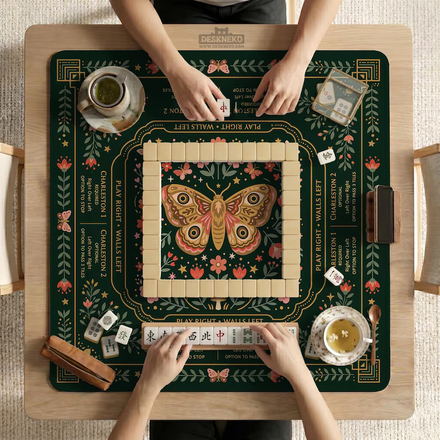
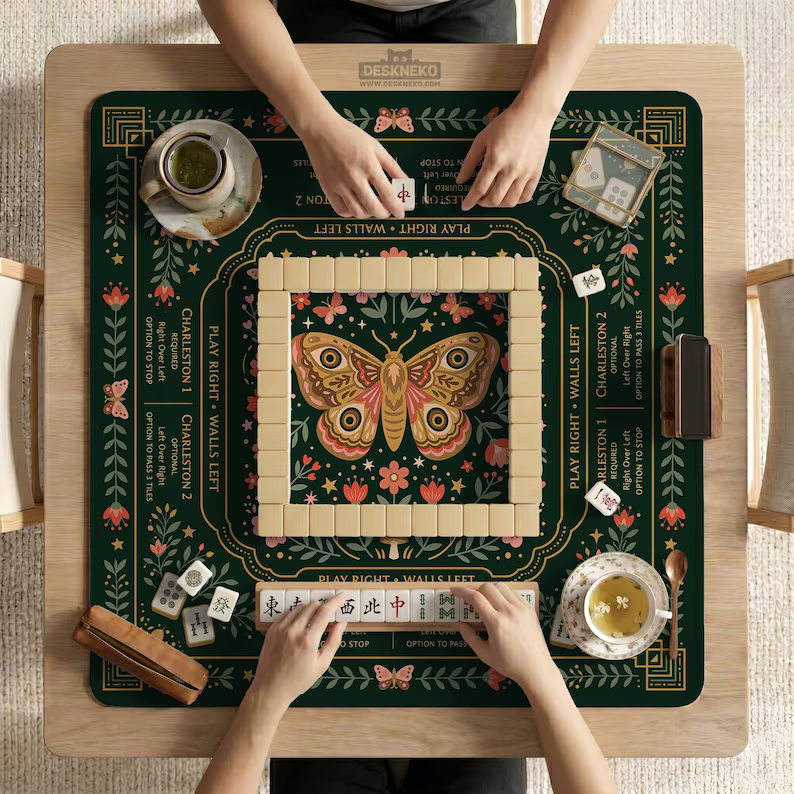
Plate 01Two players drawing tiles on a dark green mahjong mat
Base compound, in use

What is actually under the mat

Natural rubber is latex from a tree, compounded with fillers and vulcanised. It is elastic, it rebounds, and it grips by conforming to the surface at a microscopic level rather than by being sticky.

PVC is a plastic softened with plasticiser to make it flexible. The softness comes from the plasticiser, and plasticiser is a liquid that migrates: into the air (the smell), into adjacent materials (the stain), and out of the mat over years (the hardening).

TPR sits between them — a rubbery thermoplastic used on bath mats. It grips well when new and softens in heat, which matters if a mat is left in a hot car or washed at 60 °C.

The four practical differences

Natural rubberPVCTPR
Grip, dryExcellentGood when newGood
Grip, wetExcellentPoorFair
Marks lacquer or vinyl?NoYes, over timeRarely
Smell when newMild, 2–3 daysStronger, plastickyMild
Cold performanceStays flexibleHardens, can crackStays flexible
RecyclableHardHardEasier
Cost index1.351.001.15
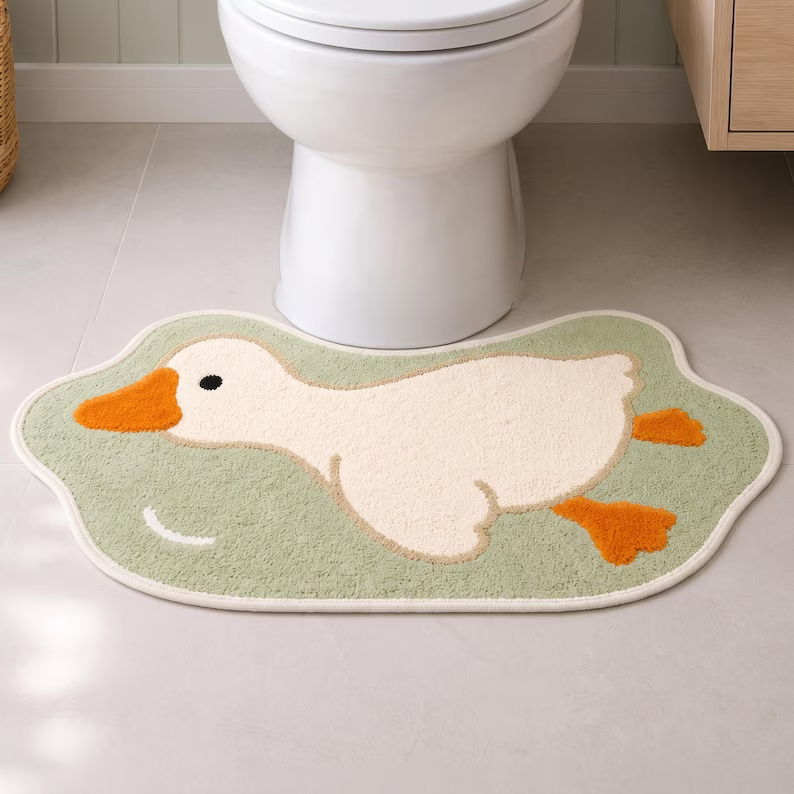
Fig. 02Duck-shaped bath mat on a tiled floor beside a toilet
Rubber-backed bath mat

Plasticiser migration, explained

Leave a PVC mat on a lacquered table for a month and you may find a cloudy ring that will not polish out. That is plasticiser moving from the mat into the finish. The same mechanism dulls a vinyl plank floor and softens a printed film on the reverse of the mat.

Natural rubber has no plasticiser to migrate. That is the single most useful reason to pay for it on anything that sits on furniture: a mahjong mat on a varnished dining table, a desk mat on a walnut desk, a coaster on a French-polished sideboard.

How to tell them apart in ten seconds

  1. Thumbnail test. Press hard and release. Natural rubber rebounds instantly with no mark. PVC leaves a pale dent that recovers slowly.
  2. Smell test. Rubber smells faintly of latex; PVC smells of a new shower curtain.
  3. Slide test. On a smooth table, palm flat, push sideways. Rubber holds. PVC skates.
  4. Ask for the declaration. A supplier using a phthalate-free compound will have a REACH/SVHC statement ready. One who hesitates is using a plasticised compound.
Fig. 04Two players drawing tiles on a dark green mahjong mat
Mat that stays put

Plates

Seen on the press

03 plates
Two players drawing tiles on a dark green mahjong mat
Grip on wood01
Duck-shaped bath mat on a tiled floor beside a toilet
Grip on tile02
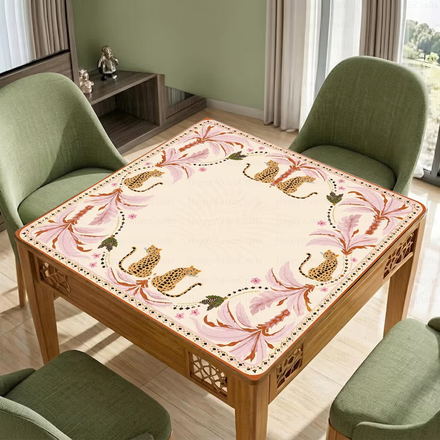
Blush and gold mahjong mat on a dining table with green chairs
Grip on laminate03

Questions

Is natural rubber more expensive?
Yes, typically 25–40% more than a PVC base of the same thickness. On a mat that sits on furniture for years, it is the difference between a mat that grips and one that leaves a ring — which is why we do not offer PVC on the mahjong and desk lines.
Does a rubber base smell?
Faintly, for 2–3 days after production. Unroll it in a ventilated room. A smell that persists past a week suggests an under-cured compound, which is a quality issue rather than a characteristic.
Can a rubber-backed mat go outside?
Not for long. Natural rubber degrades under UV and ozone. Outdoors, use moulded rubber with carbon-black stabiliser, or a nitrile-granule backing — that is what the doormat line uses.
Is TPR good enough for a bath mat?
For a bathroom, yes: TPR grips wet tile well and stays flexible. It softens above about 60 °C, so it should not be tumble-dried hot or left in a hot car, and it is not the right choice for a mat that will be machine washed frequently.
How thick should the base be?
1.5–2 mm on a desk mat, 2–3 mm on a mahjong or play mat, 4–6 mm on a bar mat where the mass helps it stay put. Beyond 6 mm the grip does not improve but the freight cost does.
Can a rubber base be cleaned with hot water?
Warm water and mild soap, yes. Very hot water with a strong detergent can bloom the surface — a white haze that looks like damage and wipes off with a damp cloth once dry. Avoid solvent cleaners entirely; they attack the compound.

Read next

Send a pattern. Get a mockup tomorrow.

Artwork and a table measurement is all we need. No deposit, no tooling fee, no minimum beyond one piece.