One-Piece MOQ: How It Works (And When It Doesn't Pay) 2026
Most minimum order quantities exist to amortise a set of tools: screens, plates, moulds, dies. Remove the tooling and the MOQ disappears. Digital printing removed the tooling for mats, so 1 piece is now a legitimate order, not a favour.
Category: SourcingPublished August 20265 min read
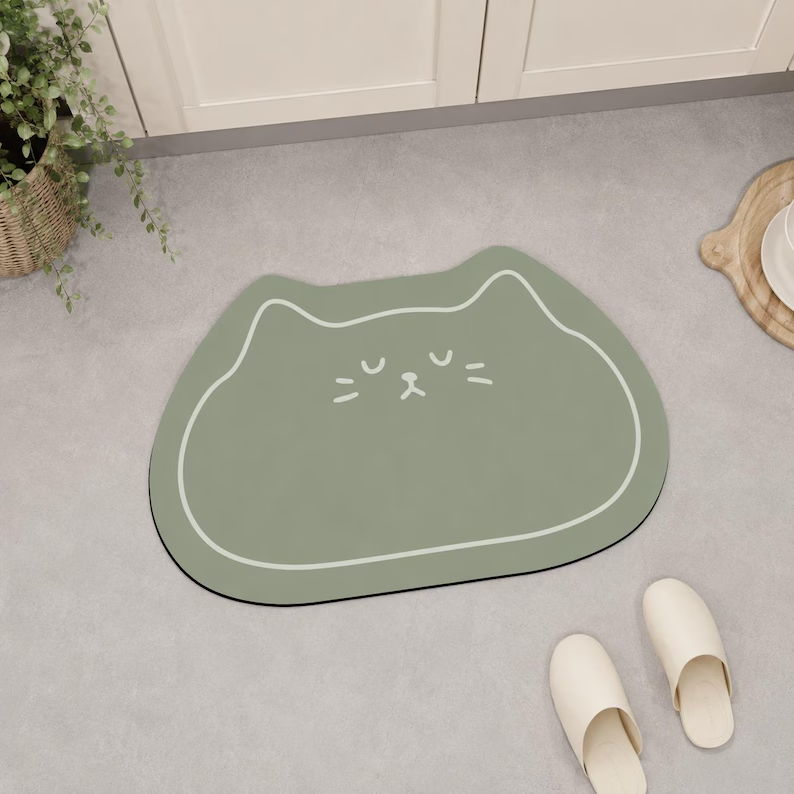
Plate 011 piece, no tooling fee
Where MOQs come from
Three sources. Tooling: screens cost money to expose, dies to cut, moulds even more. Setup time: a machine that takes two hours to set up needs a long run to be worth starting. Material minimums: fabric is sold by the roll, ink by the kilo.
Digital dye-sublimation printing has no screens, no plates and almost no setup. With the same file and the same settings, the machine prints 1 mat exactly as it prints 500. The tooling reason for an MOQ simply does not apply here — so the honest answer to 'What is your minimum order?' is: '1 piece, at a higher unit price.'
The price curve, shown honestly
Quantity
Relative unit price
What drives the cost
1
about 3.2x
Machine time and hand labour
10
about 2.1x
Setup and packaging
100
about 1.3x
Material and labour
500
about 1.0x
Material
1,000
about 0.93x
Material, better purchasing
5,000
about 0.85x
Little left to save below this
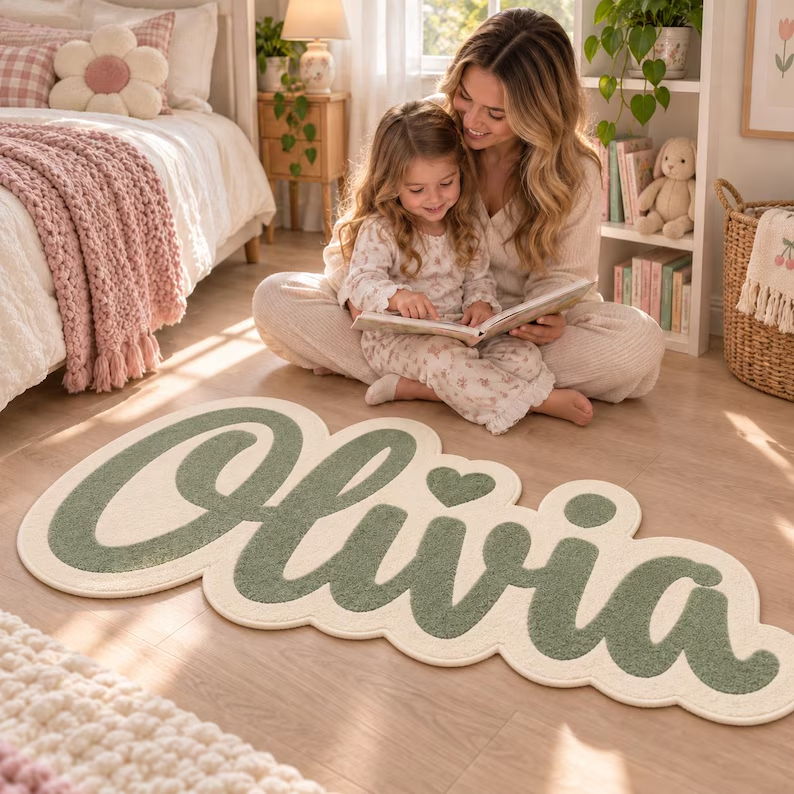
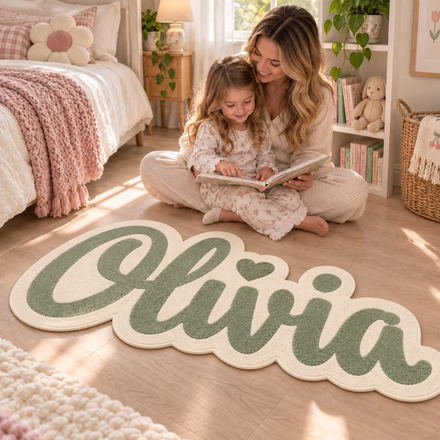
Plate 02A single-surname order
When 1 piece is the right call
Test a design — validate it before spending money on a print run.
Client samples — something to hold, not just a photo.
Gifts and one-offs — a surname, a wedding date, a shop opening.
A test listing — see whether the design sells before buying 500.
Photography samples — launch the product page with real photos.
When a small MOQ is the wrong call
If you already know a design sells, ordering it one piece at a time gets expensive: triple unit price, separate freight on every parcel, a separate QC pass for every order. Break-even usually sits around 100 pieces — where the unit price has already dropped by more than half.
The other case is consistency. Ten single-piece orders a year means ten production batches, each with its own colour drift. One 100-piece order is one colour, one carton spec, one freight line — colour consistency is worth more than the price difference.
The cadence we recommend1 piece to prove the design, 100 to test the listing, 500 to scale. Use 1 piece to prove the design and the fit; use 100 to prove the listing.
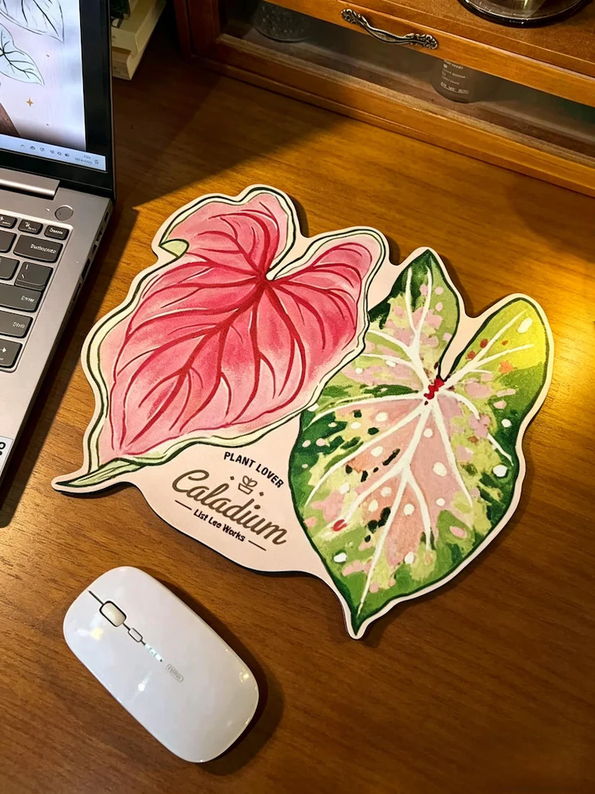
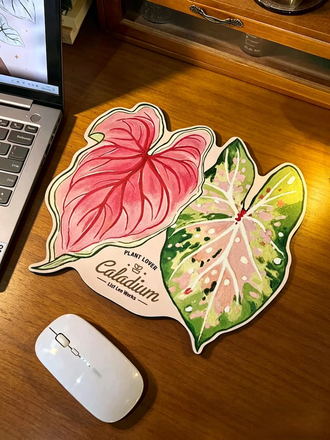
Plate 04A one-off mousepad
Gallery
On the machine floor
Plate 03
1 piece011 piece021 piece03
Frequently asked questions
Is there really no minimum order?
For printed mats, no — we make them from 1 piece, with no plate or die fees. The higher unit price comes from machine time and labour being spread over a single item, not from any setup cost.
Why is 1 piece triple the price?
Because you are paying for a production slot, not just material. Printing, cutting, binding and packing each carry fixed labour time per order; when the order is one piece, that time is the whole cost.
Is the quality of 1 piece the same as bulk?
Yes — same line, same artwork file, same base material, same binding. There is no separate 'sample line' and no downgraded spec for small orders. That is deliberate: a sample made on a different line proves nothing.
Can one small order mix several designs?
Yes. Ten designs at 10 pieces each is 100 pieces, priced at the 100-piece tier. Mixing designs costs nothing at the printing stage, because each design is just a different file.
What is the minimum for custom packaging?
Printed belly bands or paper sleeves start at 1 piece. Rigid gift boxes are not economical below 50 pieces, so we suggest a belly band for the test run and move to a box on the repeat order.
Is there a minimum for custom sizes?
No. Sizes are digitally cut, and non-standard sizes cost the same as standard ones. The only thing a custom size changes is the carton — and therefore freight — and we quote that to you before production.