1PC MOQ — NO TOOLING FEE ANY SHAPE · ANY ARTWORK DROPSHIP WORLDWIDE JIT FULL-CONSIGNMENT FBA · TEMU · TIKTOK SHOP WAREHOUSE DELIVERY 12 PRODUCT LINES · ONE FACTORY 1PC MOQ — NO TOOLING FEE ANY SHAPE · ANY ARTWORK DROPSHIP WORLDWIDE JIT FULL-CONSIGNMENT FBA · TEMU · TIKTOK SHOP WAREHOUSE DELIVERY 12 PRODUCT LINES · ONE FACTORY
Home/Journal/Selling/Fulfillment

Journal / Selling & fulfillment

JIT, warehouse inbound or dropship: which one fits your store.

The same mat can reach a buyer three ways, and the choice decides how much cash you tie up, how much stock risk you carry, and how fast an order ships. Most sellers need two of the three at once.

Filed under SellingPublished July 2026Reading 6 min
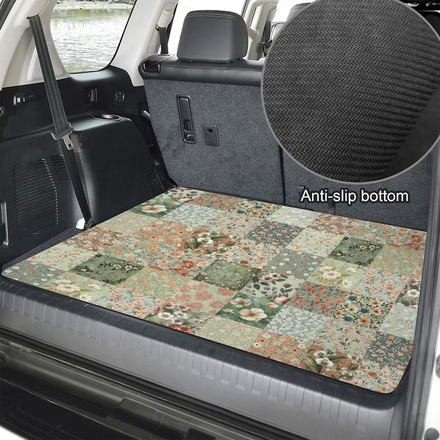
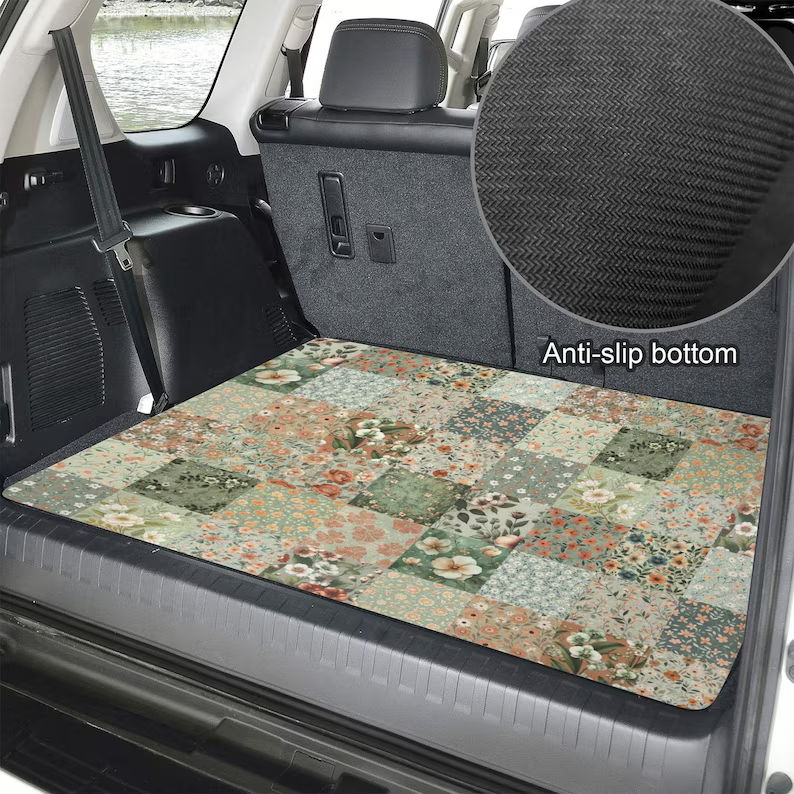
Plate 01Car boot mat annotated anti-slip bottom, fitted in an estate car
Labelled, trimmed, ready for a warehouse

The three models

JIT full consignment. You list the product; the factory holds the stock and ships when the platform pulls an order. Capital tied up: almost none. Risk: almost none. Speed: set by the platform's SLA, which is why this model exists on TEMU, TikTok Shop and SHEIN.

Warehouse inbound. You buy stock, the factory labels it to your specification (FNSKU, carton labels, pallet), and it goes to FBA or a 3PL. Capital tied up: the whole order. Risk: the whole order. Speed: fastest to the buyer, because the stock is already in-country.

Dropship. No stock anywhere. Each order is produced or pulled and shipped to the end customer. Capital tied up: none. Risk: none. Speed: 7–15 days, which is fine for made-to-order and fatal for a marketplace with a two-day promise.

Compared

JIT consignmentWarehouse inboundDropship
Cash tied upNoneFull order valueNone
Stock riskFactoryYouYou (as a late order)
Delivery speedPlatform SLA1–2 days domestic7–15 days
Best forVolume listings, tested designsPrime badges, fast-ship promisesPersonalised, low-volume
Control of packagingSharedYoursYours, per unit
Unit marginLowerHigherMiddle
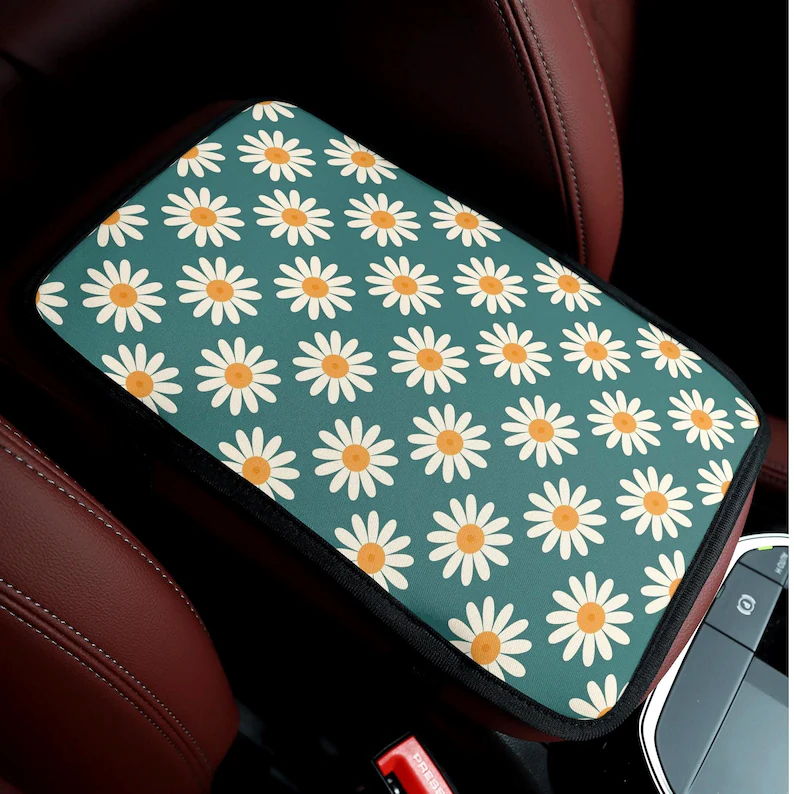
Fig. 02Daisy-print car armrest pad fitted over a leather console
Per-order pick

The trap in each

JIT compresses your margin because the platform sets the price and the factory carries the stock. It is a volume game, and it only works on designs that already sell.

Inbound is where new sellers lose money: they buy 500 units of an unproven design, pay freight and duty, and discover the listing converts at 1%. The stock then sits in a warehouse accruing storage fees.

Dropship hides a service cost. Every order is a separate parcel with a separate label and a longer transit; a buyer who expected three days writes a review about ten.

What we recommend

Pilot by dropship, prove by inbound, scale by JIT. One piece to photograph, twenty to prove the listing converts, then a hundred into a warehouse once you know the sell-through — and only then a consignment deal on the design that works.

That sequence keeps the capital commitment behind the evidence instead of in front of it. The three models in detail →
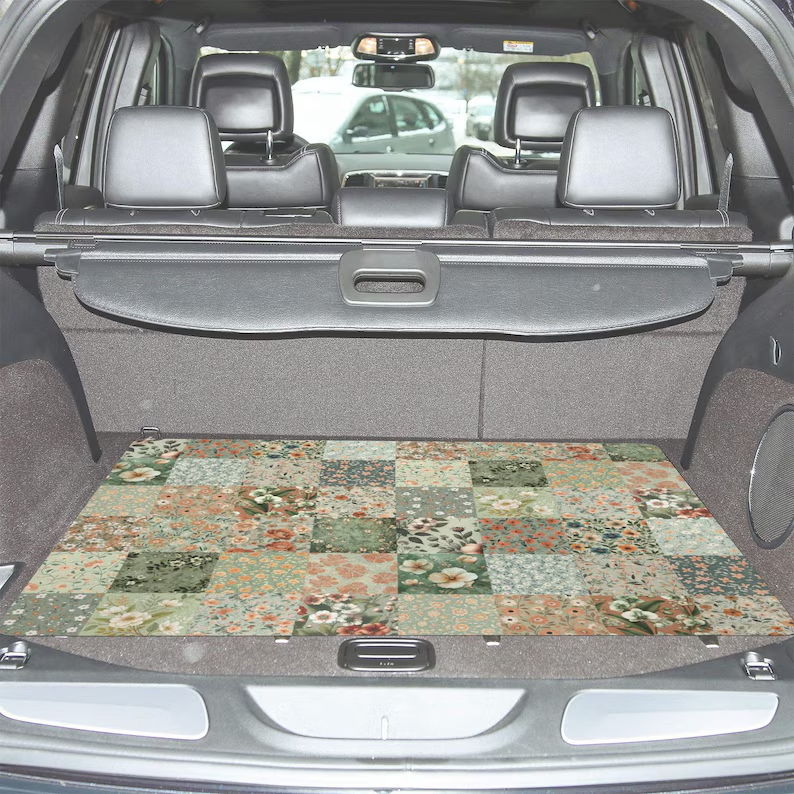
Fig. 04Patchwork-print boot mat trimmed to the boot floor of an estate car
Consignment

Plates

Seen on the press

03 plates
Car boot mat annotated anti-slip bottom, fitted in an estate car
Inbound01
Daisy-print car armrest pad fitted over a leather console
Drop-ship02
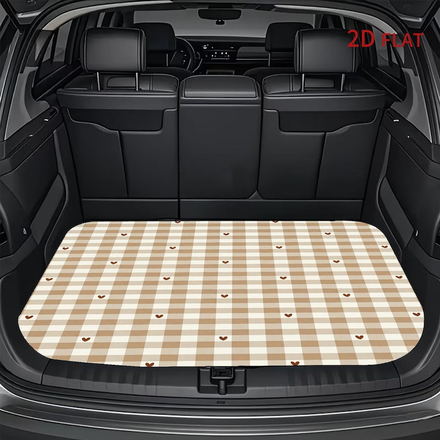
Gingham car boot mat with heart motifs in a dark grey boot
JIT03

Questions

What does JIT mean in cross-border selling?
Just-in-time, or full consignment: the seller lists the product and the factory holds the stock, shipping each order as the platform pulls it. The seller carries no inventory and little risk, and gives up some margin for it.
Can I mix models?
Yes, and most sellers do — inbound for the two designs that sell, dropship for personalised orders, JIT for the seasonal range that would be too risky to stock.
How fast is dropship from China?
7–15 days door to door on a small parcel, depending on the destination and the carrier. That is acceptable for made-to-order and personalisation, and too slow for a marketplace that promises two-day delivery.
Who pays duty on a dropshipped order?
It depends on the Incoterm and the destination. For the EU and UK, VAT is collected at the point of sale for low-value consignments; for the US, the de minimis threshold has been in flux, so check the current rule before pricing.
What is the biggest hidden cost of inbound?
Storage and removal fees on stock that does not sell. A design that looked good in a mockup can sit in a warehouse for a year, and the fees quietly exceed the margin on the units that did sell.
Can the factory hold stock for me without a platform?
Yes, for an agreed SKU list with a monthly storage cap and a release schedule. It is the same mechanics as consignment, without the platform setting the price — ask for the terms before you commit to a quantity.

Read next

Send a pattern. Get a mockup tomorrow.

Artwork and a table measurement is all we need. No deposit, no tooling fee, no minimum beyond one piece.